

Resilience
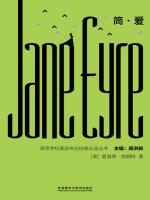
Charlotte Brontë’s Jane Eyre is far more than a Victorian romance; it is a timeless anthem of self-respect, resilience, and the unyielding pursuit of spiritual equality. Reading the novel in its original English amplifies the power of Brontë’s prose—sharp, introspective, and unflinchingly honest—allowing readers to immerse themselves fully in the voice of its extraordinary protagonist.
Jane Eyre, an orphan cast adrift in a world that dismisses her for her plainness and poverty, refuses to be diminished by the cruelty of others. From the red-room at Gateshead to the cold halls of Lowood School, from the wild moors of Thornfield to the isolated sanctuary of Moor House, she clings to two non-negotiable truths: that all human beings, regardless of social status or appearance, are “equal in the sight of God,” and that love must never come at the cost of self-respect. Her rejection of St. John Rivers’ rigid, duty-bound proposal—an offer of security without warmth—and her choice to return to Rochester, not as a submissive bride but as an equal partner, underscores the novel’s radical core: love is meaningless if it does not honor the whole person.
Brontë’s masterstroke lies in making Jane’s inner world as vivid as the external trials she faces. Her first-person narration brims with raw emotion and quiet wit, turning her struggles into a universal story of self-discovery. The gothic undertones of Thornfield—its locked attics, its mysterious laughter, its hidden secrets—add layers of tension, but they never overshadow Jane’s journey; instead, they mirror the darkness that lurks when society forces people to suppress their true selves.
What makes Jane Eyre endure, even in the 21st century, is its unapologetic defense of individualism. Jane does not conform to the Victorian ideal of the meek, obedient woman; she is fierce, flawed, and unafraid to demand more. Reading the original text allows one to savor Brontë’s precise language—the way she weaves together passion and pragmatism, longing and logic—and to hear Jane’s voice as it was meant to be heard: clear, unwavering, and impossible to ignore.
In the end, Jane Eyre is not just a love story. It is a reminder that dignity is not something given to us by others—it is something we claim for ourselves, even when the world tries to take it away. It is a novel that lingers in the mind long after the final page, a testament to the power of one woman’s courage to rewrite her own destiny.

 京公网安备 11010802032529号