

Review
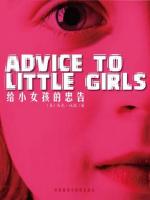
Advice to Little Girls is a short satirical essay by the American writer Mark Twain, best known for his sharp humor and social criticism. At first glance, the piece appears to offer moral guidance to young girls, but a closer reading reveals that Twain is using irony to question traditional moral instruction and social expectations placed on children, especially girls, in the nineteenth century.
The most striking feature of this work is its use of irony. Twain adopts the tone of a serious moral adviser, yet the advice he gives is deliberately exaggerated and often contradictory to conventional morality. For example, he suggests that girls should obey their elders only when it benefits them, and he treats dishonesty and revenge as practical strategies rather than moral failures. Through this humorous reversal, Twain exposes the hypocrisy and rigidity of moral education that focuses on obedience rather than independent thinking.
Another important aspect of the essay is its critique of authority. By mocking the traditional voice of moral instruction, Twain encourages readers to question whether adults truly practice the virtues they demand from children. The essay implies that moral lessons are often disconnected from real human behavior. For English majors, this text provides a clear example of how satire can be used as a powerful tool to challenge social norms without direct moral preaching.
In terms of language and style, Advice to Little Girls is concise, witty, and highly readable. Twain’s simple sentence structure and conversational tone make the text accessible, while the underlying irony adds depth to the reading experience. The contrast between the innocent title and the subversive content further strengthens the satirical effect and demonstrates Twain’s mastery of narrative voice.
However, it should be noted that the essay reflects the historical context of its time. Some references and attitudes may feel distant to modern readers, and the focus on “little girls” may raise questions from a contemporary gender perspective. Nevertheless, these elements also provide opportunities for critical discussion in literature and cultural studies courses.
In conclusion, Advice to Little Girls is a brief yet thought-provoking work that showcases Mark Twain’s skill in satire and irony. For undergraduate English majors, it serves as an excellent text for analyzing narrative voice, humor, and social criticism. Despite its short length, the essay offers lasting insights into the nature of moral education and the value of critical thinking.

 京公网安备 11010802032529号