


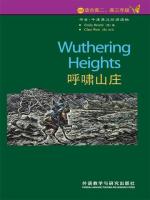
Wuthering Heights
Wuthering Heights, penned by Emily Brontë, is not merely a love story but a profound exploration of passion, revenge, and the inescapable bond between soulmates. From the first page, readers are drawn into the bleak, windswept moors of Yorkshire, where the raw, untamed energy of the landscape mirrors the turbulent emotions of the characters.
Heathcliff, an orphan taken in by the Earnshaw family, and Catherine Earnshaw, form a connection that transcends social boundaries and even death. Their love is not the gentle, romantic kind often portrayed in literature; it is fierce, obsessive, and destructive. When Catherine chooses to marry Edgar Linton, a wealthy and refined gentleman, to elevate her social status, she shatters Heathcliff’s heart. His subsequent transformation from a quiet, loyal boy to a cold, ruthless man bent on revenge is both tragic and compelling. Heathcliff’s vengeance does not spare anyone—he manipulates the lives of the next generation, leaving a trail of suffering in his wake. Yet, even in his cruelty, we cannot help but pity him, for his pain stems from a love that was never fully realized.
What makes Wuthering Heights a timeless masterpiece is Brontë’s unflinching portrayal of human nature. She does not romanticize her characters; they are flawed, complex, and at times, utterly unlikeable. Catherine is selfish and torn between her love for Heathcliff and her desire for a comfortable life. Edgar is kind but weak, unable to understand the depth of Catherine’s feelings for Heathcliff. Isabella Linton, Edgar’s sister, is naive and pays a heavy price for her infatuation with Heathcliff. Even the secondary characters, such as Nelly Dean, the housekeeper who narrates much of the story, add layers of complexity to the narrative with their own biases and observations.
The novel’s setting plays a crucial role in shaping its tone. The moors, with their endless stretches of heather and howling winds, are more than just a backdrop—they are a symbol of the characters’ wild, unrestrained emotions. Wuthering Heights, the dilapidated manor house where Heathcliff and Catherine grow up, is a place of chaos and passion, while Thrushcross Grange, the Lintons’ elegant home, represents order and civility. The contrast between these two worlds highlights the clash between nature and nurture, a central theme of the novel.
As I turned the final page, I was left with a sense of awe and melancholy. Heathcliff’s death, as he wanders the moors in search of Catherine’s ghost, is a powerful reminder that love and hate are two sides of the same coin. Wuthering Heights is not an easy read; it is dark, intense, and at times, disturbing. But it is a novel that lingers in the mind long after the last word is read. It forces us to confront the darker aspects of human nature and to question the true meaning of love and loyalty.
In a world where many love stories are predictable and saccharine, Wuthering Heights stands out as a bold, uncompromising work of art. It is a novel that challenges us, moves us, and reminds us that some passions are so strong they can never be extinguished.

 京公网安备 11010802032529号