

一场关于生存与人性的终极试炼
用户830277
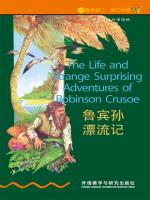
When a storm swallowed his ship, Robinson Crusoe was cast by fate onto
an uncharted desert island in the vast ocean. What seemed like a
hopeless exile ultimately became one of the most touching survival
fables in the history of human civilization. Drawing on the real-life
experiences of sailors, Daniel Defoe used plain yet powerful prose to
chronicle a man’s twenty-eight years of confronting nature, battling
loneliness, and conversing with his own soul in a desperate situation.
Transcending three centuries of time, Robinson Crusoe still lights a
beacon of hope for every reader trapped on the "desert island of
life". The core charm of the novel lies in the fact that Robinson
is no born hero, but an ordinary man forced to grow amid despair. When
he first washed ashore, he collapsed on the beach in tears, pushed to
the brink of breakdown by hunger, fear, and loneliness. Yet the instinct
to survive made him calm down quickly, using reason to fight against
chaos – salvaging supplies from the wrecked ship to build his
"seaside fortress", reclaiming land to grow barley and taming
wild goats to achieve food self-sufficiency, experimenting repeatedly to
make pottery and weave baskets for a better life, and even carving a
wooden cross to mark the passing days and keeping a diary to sort out
his tangled thoughts. These seemingly trivial acts of survival are
actually the ultimate embodiment of human rationality and resilience: he
calculated planting areas with mathematics, crafted tools with physics
knowledge, and relied on faith to ward off mental collapse, forging a
civilized order of his own from the barren wilderness. More stirring
than his survival skills is Robinson’s perseverance in upholding his
humanity amid profound loneliness. Twenty-eight years of island life
stripped him of his social identity and material comforts, yet it
allowed him to see the true essence of survival: real wealth is not gold
coins, but food and shelter that meet basic needs; true freedom is not
indulging one’s whims, but maintaining human dignity and warmth in the
face of despair. He turned to the Bible for spiritual solace not out of
blind superstition, but to build a mental pillar for himself in
isolation. After rescuing the savage he named "Friday", he did
not treat him as a slave, but patiently taught him language and skills,
rediscovering the warmth of humanity through cross-cultural
communication. This refusal to sink into depravity or become dehumanized
in hardship elevates Robinson beyond a mere "adventure hero"
to a symbol of humanity’s capacity for spiritual self-redemption. As a
literary classic of the Enlightenment era, the novel holds deeper value
in its profound inquiry into humanity, nature, and civilization.
Robinson’s relationship with the island is not a simple tale of
"conquest and being conquered", but a balance between rational
transformation and reverence for nature – he used his wisdom to improve
his living conditions, yet learned to submit to the awesome power of
nature when storms struck. He first set sail to chase wealth, but on the
island, he realized the true meaning of life: "needs matter more
than wants". His encounter with Friday not only demonstrates the
possibility of understanding and tolerance between different
civilizations, but also symbolizes the eternity of the essential
goodness and friendship inherent in human nature. Defoe’s first-person
narrative lends the story a strong sense of authenticity; the detailed
descriptions of planting, house-building, and tool-making not only
immerse readers in the scene, but also convey the simple philosophy that
"labor creates value". Three hundred years later, we may
never face the ordeal of surviving on a desert island, but everyone may
encounter their own "island moments" in life – career
bottlenecks, emotional loneliness, or the confusion of daily living.
What Robinson Crusoe offers us is not specific survival techniques, but
a kind of spiritual strength: when fate throws you to the bottom, only
by clinging to reason, facing hardship head-on, and preserving the
warmth of your humanity can you carve out hope from despair and achieve
growth in solitude. Just as Robinson eventually returned to the
civilized world with wealth, yet always cherished the gifts of his
island years – true redemption never lies in escaping adversity, but in
becoming a better version of yourself through it.

 京公网安备 11010802032529号