

20字不够写
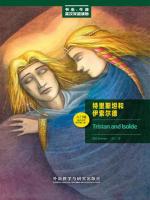
The medieval tale of Tristan and Isolde is far more than a tragic romance; it is a foundational myth about love's absolute, and often destructive, power. Its core mechanism—the accidentally consumed love potion—is not mere magic but a brilliant metaphor: love as an involuntary, overwhelming force that shatters social duty, loyalty, and reason.
This story radically redefined love for its time. Unlike the courtly love tradition, which operated within feudal codes, the passion of Tristan and Isolde is a rebellion. It betrays king (Marke) and honor, declaring love's own sovereignty over man-made laws. Richard Wagner later distilled this into the conflict between the "Day World" of society and duty, and the "Night World" of passion, intuition, and death. Their love can only truly exist in the Night, for it is fundamentally antisocial.
Here lies its enduring, unsettling relevance. Modern culture sells us a sanitized version of love as a key to happiness and stability, yet we still crave its transcendent, all-consuming aspect. Tristan and Isolde exposes the central paradox: the very intensity that defines supreme passion often destroys the foundations required for lasting union. In seeking love as an ultimate value, we risk letting it obliterate all others.
The lovers' deaths are not punishment but the logical conclusion of this absolute love, which finds no home in the world. Today, this "Liebestod" (love-death) may manifest not physically, but in relationships choked by impossible expectations of total fusion or eroded by post-passion emptiness.
Thus, the medieval tale remains a vital protest. Against modern, commodified versions of love, it insists on love's dangerous, untamable, and irrational core. It offers no solutions, but a mirror to our deepest conflict: the simultaneous longing for the safety of Day and the ecstatic oblivion of Night. The potion, both poison and cure, forever reminds us that the greatest bliss and deepest peril reside in the same cup.

 京公网安备 11010802032529号