

Review of this book
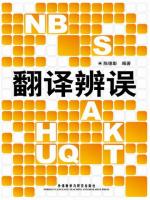
Correcting Mistakes in Chinese Culture Translations is a practical and eye-opening English-language book for anyone learning Chinese-English translation, especially those focusing on cultural content. Written with simple vocabulary and clear grammar, the book targets common translation errors in Chinese culture texts and explains how to fix them. It is a great guide for students, translators, and even teachers who want to avoid mistakes when sharing Chinese culture with English speakers.
The book’s structure is logical and easy to follow, split into eight chapters that cover different areas of Chinese culture: traditional art, festivals, food, philosophy, history, literature, folk customs, and proverbs. Each chapter starts with a list of "common wrong translations" and then gives the "correct versions" with detailed explanations. For example, in the traditional art chapter, the book points out that Melody on Splendid Fairy Costumes is sometimes wrongly translated as "Beautiful Fairy Clothes Song", but the correct translation should keep the original artistic connotation while being natural in English. It also explains why the wrong translation is problematic—because it loses the historical and musical meaning of the original title. This step-by-step approach helps readers understand not just what the right translation is, but why the mistake happens and how to avoid it in the future.
One of the book’s biggest strengths is its use of real examples. The author collects translation errors from textbooks, tourist brochures, and online articles—sources that many learners and translators encounter in daily life. For instance, the "Swirling Dance" from the Tang Dynasty is sometimes mistranslated as "Spinning Dance", which fails to capture the graceful and fast-moving nature of the dance described in ancient Chinese texts. The book then shows how "Swirling Dance" better reflects the original Chinese term and the dance’s characteristics. The examples are relatable, and the explanations are short and straightforward, making even complex translation rules easy to grasp. The book also includes practice exercises at the end of each chapter, with answers provided, so readers can test their understanding and apply what they have learned.
Another great part of the book is its focus on "cultural accuracy" rather than just "literal translation". It emphasizes that translating Chinese culture is not just about changing words from one language to another, but also about passing on the cultural meaning behind them. For example, when translating the Chinese New Year custom of "giving red envelopes", the book notes that translating it as "red paper bags" is wrong because it ignores the cultural symbol of luck and money in the red envelope. Instead, it suggests "red envelopes (lucky money)" to explain both the object and its cultural meaning. This focus on cultural context helps translators make their work more authentic and understandable for English readers who may not know much about Chinese culture.
The book has a small limitation: it mostly focuses on written translation and has less content about oral translation of cultural topics. For those who need to do spoken translations (like tour guides or interpreters), they may need to look for additional resources. However, for written translation— which is the main focus for most students and beginner translators—this is not a big problem. The book’s brevity on some advanced topics also makes it suitable for intermediate learners, as it does not overload them with too much technical translation jargon.
In conclusion, Correcting Mistakes in Chinese Culture Translations is an essential book for anyone working with Chinese culture translations. Its clear structure, simple language, and real-life examples make it easy to learn from, and its focus on cultural accuracy helps readers create translations that are both correct and meaningful. Whether you are a translation student practicing your skills, a teacher preparing lessons, or a translator working on cultural texts, this book will help you avoid common errors and improve your translation quality. I would strongly recommend it to anyone who wants to translate Chinese culture accurately and effectively into English.

 京公网安备 11010802032529号