


观后感
A Timeless Critique of Vanity and Prejudgment: A Review of Pride and Prejudice
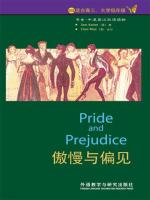
Jane Austen’s Pride and Prejudice, first published in 1813, remains one of the most beloved works of English literature, not merely for its witty dialogue and romantic plot, but for its incisive critique of 19th-century British society’s rigid class hierarchy and gender norms. Through the tempestuous relationship between Elizabeth Bennet and Mr. Darcy, Austen weaves a narrative that explores how pride and prejudice distort human judgment, and how self-awareness and humility can lead to true understanding and love. More than two centuries later, the novel’s exploration of human flaws and the pursuit of authentic connection retains remarkable relevance, resonating with readers who still grapple with the consequences of bias and arrogance.
At the heart of the story lies the tension between its two protagonists, whose personalities are defined by the very flaws in the novel’s title. Mr. Darcy, a wealthy landowner, embodies pride—his social status and wealth have fostered a sense of superiority that makes him dismissive of those he deems beneath him. His initial snub of Elizabeth at the Meryton ball, where he refuses to dance with her, citing her “not handsome enough to tempt me,” sets the stage for their conflict. Elizabeth, meanwhile, is burdened by prejudice: quick-witted and independent, she prides herself on her ability to judge character, yet her dislike of Darcy blinds her to his genuine virtues. This mutual misunderstanding is exacerbated by the scheming of Mr. Wickham, whose false tales of Darcy’s cruelty further cement Elizabeth’s negative opinion.
Austen masterfully uses the Bennet family and their social circle to satirize the absurdities of her era’s marriage market. Mrs. Bennet, whose sole ambition is to marry her five daughters to wealthy men, is a comedic yet tragic figure, embodying the societal pressure women faced to secure financial stability through marriage. Mr. Collins, the obsequious clergyman who proposes to Elizabeth out of a sense of “duty,” is a caricature of blind adherence to social expectations, while Lady Catherine de Bourgh represents the arrogance of the aristocracy, believing her status entitles her to control others’ lives. These characters not only drive the plot but also highlight the constraints that society places on individual freedom, particularly for women.
The novel’s turning point comes when Darcy delivers a letter to Elizabeth, revealing the truth about Wickham’s deceit and his own role in separating her sister Jane from Mr. Bingley. This letter forces Elizabeth to confront her own prejudice; she realizes that her quick judgment and reliance on appearances have led her astray. Her subsequent self-reflection—“Until this moment, I never knew myself”—marks her growth from a woman guided by bias to one who seeks truth. Similarly, Darcy, humbled by Elizabeth’s rejection of his first proposal, learns to set aside his pride, treating his servants and social inferiors with kindness and respect. Their journeys of self-improvement are central to the novel’s message: love cannot flourish without self-awareness and the willingness to admit one’s mistakes.
What elevates Pride and Prejudice beyond a mere romance is Austen’s ability to balance social critique with emotional depth. The novel does not idealize love; instead, it presents it as a force that requires work—work to overcome personal flaws, to challenge societal norms, and to see others as they truly are. Elizabeth and Darcy’s relationship is not based on fleeting passion but on mutual respect and admiration, forged through hardship and self-discovery. Their happy ending is not just a victory for love, but a rebuke to the vanity and prejudice that pervade their society.
In contemporary society, where bias and arrogance still divide people, Pride and Prejudice offers a timeless lesson. Austen reminds us that true wisdom lies in recognizing our own flaws, questioning our judgments, and treating others with empathy. Elizabeth Bennet, with her intelligence and integrity, remains a feminist icon, proving that women can be both independent and loving, while Darcy shows that even the most proud can change. The novel’s enduring popularity is a testament to its universal themes: the struggle to overcome our worst selves, the power of love to transform, and the importance of seeing beyond surface appearances.
Ultimately, Pride and Prejudice is more than a classic romance—it is a profound exploration of human nature. Austen’s witty prose and memorable characters invite readers to reflect on their own biases and the societal pressures that shape us. As long as pride and prejudice exist, Elizabeth and Darcy’s journey will continue to resonate, reminding us that the path to true connection begins with self-awareness and humility.

 京公网安备 11010802032529号