

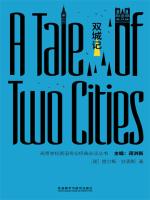
A Tale of Two Cities
緣
Charles Dickens’ A Tale of Two Cities opens with one of the most iconic
antitheses in literary history: “It was the best of times, it was the
worst of times.” These lines, etched into the consciousness of readers
for nearly two centuries, are far more than a catchy rhetorical
flourish—they are the beating heart of a novel that grapples with the
dual nature of revolution, the fragility of justice, and the quiet
redemptive power of love amid chaos. Set against the roiling backdrop of
London and Paris on the eve of the French Revolution, the story weaves
together the fates of disparate characters: the wrongfully imprisoned
Dr. Manette, his resilient daughter Lucie, the dissolute yet noble
Sydney Carton, and the arrogant aristocrat Charles Darnay, who renounces
his title to escape the cruelty of his class. What makes the novel
enduring, however, is not its sweeping historical plot, but Dickens’
unflinching ability to hold two opposing truths in balance at once. He
condemns the grotesque greed and indifference of the French aristocracy
that drove the people to bloody revolt, yet he does not flinch from
exposing the mindless cruelty of the mob once power shifts to their
hands. The guillotine that falls on aristocratic necks becomes a tool of
terror that consumes anyone suspected of disloyalty, turning the pursuit
of liberty into a vicious cycle of violence. This nuanced take on
revolution feels urgently relevant even today, as societies around the
world still grapple with the tension between righteous change and the
danger of descending into chaos. Beyond its political themes, the
novel’s emotional core lies in its exploration of sacrifice and
redemption. Sydney Carton, a drunken, self-loathing lawyer who believes
he has wasted his life, delivers one of literature’s most moving acts of
self-sacrifice, trading his life for Darnay’s to ensure Lucie’s
happiness. His final words—“It is a far, far better thing that I do,
than I have ever done; it is a far, far better rest that I go to than I
have ever known”—ring with a profound grace that transcends the novel’s
historical setting, reminding us that even in the darkest of times,
individual goodness can cut through the fog of collective madness.
Dickens’ prose, rich with vivid detail and sharp social observation,
brings both the foggy streets of London and the blood-soaked squares of
Paris to life, making the past feel immediate and alive. While some
critics have argued that his characters are more archetypal than fully
psychological, that very quality is what makes the novel feel universal.
A Tale of Two Cities is not just a story about the French Revolution—it
is a story about the eternal conflict between oppression and freedom,
hatred and love, death and resurrection. It reminds us that every era is
both the best and worst of times, and that human dignity persists even
when the world seems to be tearing itself apart.

 京公网安备 11010802032529号