


Book Review
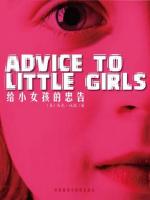
Written in 1865 by Mark Twain, Advice to Little Girls is a short, witty yet profoundly subversive essay that defies the rigid moral teachings of the Victorian era’s children’s literature. Far from being a conventional guide for well-behaved young ladies, this timeless piece uses sharp satire and playful humor to challenge outdated social norms, making it a thought-provoking read for readers of all ages even after more than a century.
At first glance, the book appears to offer ordinary etiquette advice for little girls. Twain lists a series of seemingly polite rules, such as not making faces at teachers over trivial mistakes and showing respect to the elderly. However, every piece of advice carries a hidden ironic twist. He cleverly suggests that girls may stand up for themselves and fight back when facing unreasonable offenses from teachers, elders or peers. For example, he humorously remarks that retaliation against unfair treatment is acceptable under aggravated circumstances, and girls never need to tolerate impolite words from the elderly blindly. This playful tone is Mark Twain’s unique writing style—hiding serious social criticism under lighthearted and amusing language.
The core value of this work lies in its rebellion against the restrictive gender stereotypes of the 19th century. In Twain’s time, girls were strictly required to be docile, obedient, silent and compliant. All mainstream children’s books preached absolute obedience to authority and social rules, suppressing children’s individuality and independent thinking. Twain deliberately parodied those rigid educational books. Through absurd and funny "gentle advice", he exposed the hypocrisy of traditional moral standards. He refused to shape girls into standardized, timid puppets, but implicitly encouraged them to retain their true nature, judge right and wrong independently, and defend their own dignity.
What makes Advice to Little Girls timeless is its enduring practical significance. The gender prejudice and rigid code of conduct that Twain satirized still exist subtly in modern society. The book teaches a precious lesson: politeness and obedience should never equal blind compromise. True good manners are based on self-respect and rational judgment, rather than unconditional submission to authority or secular rules. Twain does not advocate rudeness or willfulness; instead, he calls for courage and independent thinking hidden behind gentle appearances.
In conclusion, Advice to Little Girls is a brilliant miniature of Mark Twain’s satirical art. Short but powerful, it abandons tedious preaching and uses vivid humor and sharp irony to convey advanced ideas of equality and individuality. It is not only a classic parody of Victorian educational literature, but also a timeless spiritual guide. It reminds every reader, especially young girls, to preserve their independent minds, dare to break rigid prejudices, and bravely be themselves. For its unique humor, profound insight and progressive values, this short work is undoubtedly an indispensable classic in American literary history.

 京公网安备 11010802032529号