


生活的准则读后感
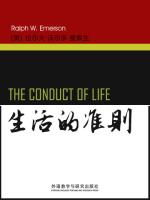
Book Review: The Conduct of Life by Ralph Waldo Emerson
(Word count: around 1000)
Ralph Waldo Emerson’s The Conduct of Life is a timeless collection of thoughtful essays that explores how people should live wisely, morally, and authentically in the complex world. Published in the mid‑nineteenth century, this classic work remains surprisingly relevant today. Rather than giving strict rules or rigid moral codes, Emerson offers gentle yet powerful guidance on self‑reliance, fate, duty, success, and inner peace. Through poetic language and deep philosophical insight, he invites readers to examine their own values and shape a meaningful life. This book is not only a guide for personal conduct but also a reflection on human nature and the true purpose of existence.
At the heart of Emerson’s ideas in The Conduct of Life is his belief in self‑reliance and individual integrity. He argues that every person has an inner voice and natural wisdom that society often ignores. True success, he stresses, does not come from wealth, fame, or social praise, but from staying true to one’s own conscience. In chapters discussing wealth, power, manners, and worship, Emerson criticises empty materialism and blind conformity. He reminds readers that chasing external rewards will never bring lasting happiness. Instead, living honestly, simply, and independently allows people to build real strength of character. For modern readers surrounded by consumerism and social pressure, this message is especially eye‑opening.
Emerson also explores the relationship between fate and free will, a central theme of the book. He acknowledges that life is affected by luck, environment, and social limits, which he calls “fate”. However, he strongly refuses fatalism. Even with uncontrollable difficulties, human beings still have the power to choose their attitudes, actions, and responses. He believes that individuals can shape their own destiny through self‑improvement, self‑discipline, and moral courage. Life’s challenges are not punishments but opportunities for growth. This optimistic yet realistic view encourages readers to take responsibility for their own lives rather than blaming circumstances or other people.
Another great strength of The Conduct of Life is its warm, human‑centered understanding of daily life. Emerson does not write abstract philosophy far from ordinary people. He talks about work, friendship, manners, health, and family, connecting high‑level ideals with real everyday choices. He teaches that good conduct lies not in grand gestures but in small steady actions: keeping honest words, respecting others, maintaining self‑respect, and living with modesty. His essays are written in beautiful, inspiring prose, mixing logic with emotion. Reading them feels like talking with a wise friend who gently guides you to think deeper about life.
However, the book also has minor limitations from a modern perspective. Some of Emerson’s views reflect the social background of his time. His emphasis on individual self‑reliance sometimes overlooks how social inequality limits people’s choices. Today’s readers may feel that his ideas place too much burden on individuals to overcome unfair systems. Still, this does not weaken the lasting value of his core message about inner morality and self‑improvement.
In conclusion, The Conduct of Life by Ralph Waldo Emerson is a profound and inspiring classic about how to live well. It does not give simple quick answers but encourages self‑reflection, honesty, and independence. In an age full of anxiety, distraction, and confusion, Emerson’s wisdom reminds us that true happiness comes from within. It teaches us to build good character, respect ourselves and others, and face life with courage and calm. For anyone seeking guidance on personal growth, moral values, and meaningful living, this book is a precious source of wisdom worth reading again and again.

 京公网安备 11010802032529号