


A Riverside Scene
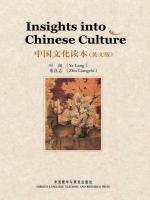
The English version of A Riverside Scene at Qingming Festival is far more than just an introduction to a Chinese painting—it is a vivid, immersive journey into the soul of Northern Song Dynasty China. Reading this text feels like unrolling the ancient handscroll itself, where every line brings the bustling world of Bianjing (today’s Kaifeng) to life, turning ink and silk into a living, breathing story.
From the very first section, the book draws readers into the quiet chaos of the outskirts. It describes travelers heading to tombs for offerings or returning from the city, donkeys neighing, and people laughing. These small, everyday details immediately ground the reader in a world that feels both distant and familiar. As the scroll unfolds, so does the narrative: the Bianhe River comes into view, its waters shifting from calm to swift, with boats moving busily in both directions, a quiet reflection of the era’s thriving commerce and prosperity.
The most electrifying part of the text is its description of the Rainbow Bridge, the heart of the painting. The writing masterfully builds tension as it recounts the near-disaster of a large boat trying to pass under the bridge. Sailors frantically wave their arms, shout orders, and struggle to lower the sail, while onlookers lean over the bridge railings, some animatedly gesturing, others frozen in surprise or fright. The book captures not just the visual chaos of the scene, but the raw, human drama unfolding in that critical moment. It is impossible not to feel the same rush of urgency as the people in the painting, a testament to how the text bridges the 900-year gap between then and now.
As the scroll moves into the city streets, the book paints a complete picture of Northern Song urban life. Camels pass through the city gate, shops line both sides of the streets, vendors call out to customers, and scholars, monks, and children move through the crowd, each with their own distinct expressions and stories. What makes this section so powerful is how it reveals the true magic of Zhang Zeduan’s work: every single figure, no matter how small, feels like a real person with their own life, hopes, and worries. The book does not just describe these figures—it makes them feel alive.
Reading this text also gives a deeper appreciation for the artistry behind the original painting. The author carefully highlights how Zhang Zeduan uses line, composition, and perspective to guide the viewer’s eye, creating a sense of continuous movement that mirrors the flow of life itself. At the same time, the book subtly reveals the painting’s historical importance: it is not just a work of art, but a window into a golden age of Chinese civilization, where trade flourished, cities thrived, and ordinary people’s lives were captured with unprecedented realism.
If there is one takeaway from this book, it is that A Riverside Scene at Qingming Festival is more than a masterpiece of art—it is a love letter to humanity. The text brings this love letter to life, showing that even in a world separated by centuries and cultures, the joys, struggles, and small moments of daily life remain universal. For anyone curious about Chinese history, art, or simply the beauty of human experience, this book is essential reading. It does not just teach you about a painting—it teaches you to see the past, and the people who lived in it, with new eyes.

 京公网安备 11010802032529号