


Understanding
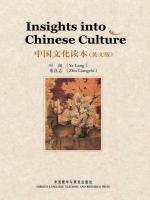
The English version of A Riverside Scene at Qingming Festival is more than just an introduction to a famous Chinese painting—it is a masterclass in how art can turn a static scroll into a living, breathing story. Reading this text feels like stepping into Zhang Zeduan’s world, moving slowly through the Northern Song Dynasty’s countryside, river, and bustling city streets.
What makes this book stand out is how it unpacks the painting’s three-part structure with such clarity. The first section paints a calm, carefree scene of the countryside: willow trees sweep the air, travelers wander slowly, and the mood is quiet and detached. Then, the narrative shifts dramatically at the Rainbow Bridge, the painting’s thrilling centerpiece. The book brings to life the chaos of the moment: sailors shouting orders, people leaning over the bridge in surprise, and the tension of a large boat trying to pass under the arch. This contrast between the peaceful countryside and the chaotic river scene is not just visual—it is emotional, and the text captures it perfectly.
The final section, set inside the city gate, bursts with life. The streets are lined with shops, teahouses, and taverns. Vendors call out to customers, scholars chat in groups, and camels pass through the gate carrying goods. The book highlights how every small detail—from a child playing in the street to a monk walking through the crowd—adds to the richness of the scene. What is most striking is how the painting (and the book) makes these ordinary people feel real: each one has a unique expression, a unique story, and a unique place in the busy world of Bianjing.
The book also does a wonderful job of explaining the artistry behind the work. It points out how Zhang Zeduan uses rhythm and contrast to guide the viewer’s eye: the slow, quiet start builds to the dramatic climax at the Rainbow Bridge, then fades into the lively city streets before ending suddenly. This “rhythmic yet contrastive” structure is what gives the painting its lasting appeal, and the book makes it easy to understand why this work has captivated audiences for nearly a thousand years.
Reading this book, I came to see that A Riverside Scene at Qingming Festival is not just a painting of a city—it is a painting of life itself. It shows the joy of travelers laughing in the countryside, the tension of a near-disaster on the river, and the energy of a busy city street. It reminds us that even in a world separated by centuries, the small moments of daily life—working, talking, moving through the world—are universal.
For anyone interested in Chinese art, history, or the beauty of everyday life, this book is a must-read. It does not just teach you about a painting; it teaches you to see the past with new eyes, and to appreciate how art can make history feel alive.

 京公网安备 11010802032529号