

Revision
用户823887
Revision
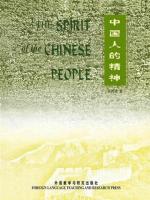
of The Spirit of the Chinese People Book Review
The Spirit of the Chinese People, a seminal work by Ku
Hung-ming, delivers a profound and thought-provoking exploration of
the essence of Chinese civilization and the distinctive traits that
constitute the Chinese national spirit. Through incisive and nuanced
analysis, Ku Hung-ming dismantles prevailing Western stereotypes
about China and constructs a compelling narrative that illuminates
the profound depth and enduring resilience of traditional Chinese
culture. A standout merit of the book lies in its in-depth
dissection of the core values that have underpinned Chinese society
for millennia.
Ku
Hung-ming places central emphasis on the doctrines of Confucianism,
foregrounding the cardinal virtues of benevolence, righteousness,
propriety, wisdom, and fidelity. He posits that these timeless
values have not only anchored the moral and ethical cultivation of
the Chinese nation but also fostered the extraordinary stability and
enduring continuity of Chinese civilization. By drawing insightful
comparisons between Chinese cultural values and Western ideological
tenets, the author urges readers to re-examine their preconceived
notions of cross-cultural differences and embrace the richness and
diversity of human civilizations.
Another
distinctive highlight of the work is its elaborate exploration of
the Chinese language and classical literature as carriers of the
national spirit. Ku Hung-ming argues that the Chinese language,
endowed with exquisite symbolism and inherent poetic grace, serves
as a vivid reflection of the Chinese people’s spiritual temperament.
He maintains that engaging with classical Chinese literature is
indispensable to grasping the profundity and intricacy of Chinese
culture. Through meticulous analysis of canonical classics
includingThe Book of Songs and The Analects of
Confucius, the author vividly illustrates how these timeless
texts embody the core ideals and moral tenets that have shaped the
character and mindset of the Chinese people across generations.
Throughout
the book, Ku Hung-ming also addresses the repercussions of Western
imperialism on China and the existential cultural challenges the
nation confronted in the modern era. He critiques the arrogance and
intellectual ignorance of Western observers, who frequently misjudge
and misinterpret Chinese civilization through a biased lens.
Meanwhile, he calls on the Chinese people to uphold and preserve
their precious cultural heritage, and to resist the blind
assimilation of Western values and practices.
In
conclusion, The Spirit of the Chinese People remains an
essential read for anyone seeking an in-depth understanding of
Chinese culture and the Chinese national spirit. Written with
elegant eloquence and penetrating insight, Ku Hung-ming’s arguments
are rigorous, persuasive, and intellectually stimulating. By
breaking down simplistic Western stereotypes and presenting a
sophisticated, holistic portrait of Chinese civilization, the book
offers an invaluable perspective on the pluralism of human
experience. For students and enthusiasts of Chinese history and
culture, as well as general readers eager to broaden their global
vision, this timeless work is bound to leave a profound and lasting impression.

 京公网安备 11010802032529号