

Timeless Wisdom
hqqq
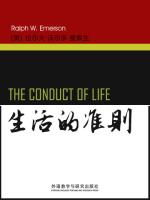
Ralph Waldo Emerson’s
The Conduct of Life
, first published in 1860 and
revised in 1876, stands as a monumental work in American
transcendentalist literature, marking a pivotal shift in his
philosophical trajectory. This collection of nine essays serves as a
practical guide to the central question of human existence: "How
shall I live?" Unlike his earlier, more abstract works like
Nature
or
Self-Reliance
, which often soared into the
ethereal realms of idealism, here Emerson grounds his philosophy in
the gritty realities of daily life. He addresses tangible, often
contentious topics such as power, wealth, culture, behavior, and
worship with a pragmatism that surprised many of his contemporaries.
He acknowledges the constraints of fate and circumstance—the
"brute facts" of biology, history, and environment—but
ultimately champions the indomitable power of the human will and
intellect to shape one's destiny. The book is a clarion call to action
for self-reliance, urging readers to navigate the complexities of an
increasingly industrialized and materialistic modern society without
losing their spiritual center. It is a dense, rewarding read that
challenges us to find the divine in the mundane and to master our own
lives through conscious effort and moral integrity, proving that high
ideals can indeed survive contact with the real world.

 京公网安备 11010802032529号