


Book Review
用户823521
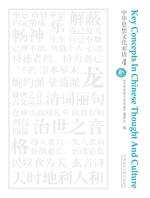
As the fourth installment in this acclaimed series, Key Concepts in
Chinese Thought and Culture, Volume 4 continues its ambitious mission of
excavating and elucidating the foundational terminologies that underpin
Chinese civilization. This volume presents dozens of carefully selected
terms—ranging from "Zhonghe" (Harmony in Equilibrium) and
"Lizhi" (Rule of Ritual) to "Zhi Xing He Yi" (Unity
of Knowledge and Action)—tracing their intellectual genealogies from
classical origins through successive reinterpretations. The series'
defining strength lies in its "terminology-as-history"
methodology. Rather than offering static dictionary definitions, each
entry situates concepts within dynamic historical contexts, revealing
how meanings accrue and transform across dynasties and philosophical
schools. This approach achieves rare balance: rigorous enough for
specialists, yet accessible to general readers seeking entry into
Chinese intellectual traditions. Particularly commendable is the
editors' cultural self-awareness. The volume neither romanticizes
tradition nor uncritically adopts Western analytical frameworks, instead
striving to articulate Chinese thought on its own epistemological terms.
In an era of accelerated globalization, such meticulous reconstruction
of indigenous conceptual systems provides indispensable semantic
infrastructure for authentic cross-cultural dialogue. If critique is
warranted, certain entries could more boldly engage contemporary
relevance, translating ancient wisdom into active conversation with
present challenges. Nevertheless, this remains an indispensable
scholarly resource and cultural primer—equally valuable for reference
and sustained philosophical engagement.

 京公网安备 11010802032529号