

After reading the ch
用户865830
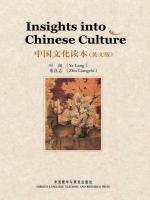
After reading the chapter about Laozi’s philosophy of non-action in
Insights into Chinese Culture, I completely changed my previous
superficial understanding of this traditional Taoist thought. I used to
believe that “non-action” meant doing nothing and being passive in life,
but this reading taught me its true and profound meaning: it is not
inactivity, but refraining from reckless, forced and artificial actions
that go against natural laws. Laozi advocates that human beings should
live in harmony with the Tao, the inherent rule of nature. The book
explains that all things in the world have their own growth and
operation rules. People often pursue excessive desires and utilitarian
goals, blindly rushing for success and forcing changes to everything,
which eventually leads to anxiety, loss and even destruction. Non-action
encourages people to respect nature, follow the trend of development,
and handle things with moderation and calmness. This ancient wisdom is
extremely valuable in modern society. Nowadays, people are trapped in
fast-paced life, eager for quick success and constantly pushing
themselves beyond their limits, resulting in great mental pressure.
Laozi’s philosophy reminds us to keep a humble attitude towards life. We
should strive for progress earnestly, but not be greedy and impetuous.
True wisdom lies in adapting to rules, balancing effort and tolerance,
and maintaining inner peace amid chaos. This reading makes me realize
that traditional Chinese philosophy is never outdated old theories. It
contains timeless life wisdom. The Taoist pursuit of harmony between man
and nature can guide us to relieve anxiety, treat life rationally, and
live a more comfortable and authentic life.

 京公网安备 11010802032529号