

reaction to a book o
用户848414
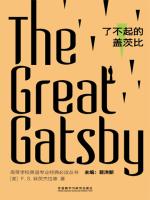
Scott Fitzgerald’s The Great Gatsby is far more than a tragic love
story—it is a piercing critique of the American Dream’s hollow core. Set
in the roaring 1920s, the novel follows Jay Gatsby, a wealthy and
enigmatic man whose life revolves around a single obsession: winning
back his lost love, Daisy Buchanan. What makes Gatsby’s journey so
compelling, and ultimately devastating, is how it exposes the gap
between ambition and reality, and the emptiness of chasing a dream built
on materialism and illusion. Gatsby embodies the American Dream’s
promise: he rises from poverty to immense wealth through sheer
determination, believing that money can erase the past and recreate the
love he once shared with Daisy. His lavish parties, grand mansion, and
elaborate lies are all part of this carefully constructed fantasy. Yet
Fitzgerald makes it clear that Gatsby’s dream is fundamentally flawed.
Daisy, the object of his desire, is not the idealized figure he
remembers—she is shallow, selfish, and bound to the privileges of her
social class. When Gatsby finally confronts the truth, his dream
collapses, leading to his tragic end. What strikes me most is
Fitzgerald’s portrayal of the American Dream as a form of
self-deception. Gatsby’s willingness to sacrifice everything for a dream
that was never attainable reflects the naivety of those who believe
success and happiness can be bought. The novel’s setting, the “Jazz
Age,” with its excess, greed, and moral decay, serves as a backdrop for
this critique. Characters like Tom and Daisy Buchanan, who are born into
wealth and privilege, embody the corruption of the American Dream—they
have everything money can buy, yet they are unhappy, unfulfilled, and
indifferent to the suffering of others. Beyond its critique of
materialism, The Great Gatsby also explores the theme of time and the
impossibility of repeating the past. Gatsby’s famous line, “Can’t repeat
the past? Why of course you can!” reveals his desperate desire to hold
onto a moment that has long since passed. This longing is universal—who
hasn’t wished to go back and change something, or to recapture a lost
love? But Fitzgerald reminds us that the past is immutable, and that
clinging to illusions only leads to disappointment. In conclusion, The
Great Gatsby is a timeless masterpiece that continues to resonate
because of its unflinching examination of human nature and the American
Dream. Gatsby’s tragedy is a warning: pursuing a dream based on fantasy,
materialism, and the desire to please others will always end in
heartbreak. True fulfillment, Fitzgerald suggests, comes not from wealth
or social status, but from being true to oneself and accepting the
realities of life. The novel’s final line, “So we beat on, boats against
the current, borne back ceaselessly into the past,” captures the essence
of this struggle—a reminder that while we may strive for greatness, we
must also learn to let go of the illusions that hold us back.

 京公网安备 11010802032529号