

The Shattered Dream
杨丛蕊
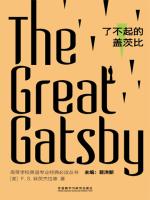
The Great Gatsby is not merely a literary classic depicting the glamour
and decadence of the Jazz Age, but also a profound elegy for the
"American Dream." With poetic prose and sharp insight,
Fitzgerald constructs a world that glitters with gold yet rots from
within, immersing the reader in a whirlwind of revelry and materialism
only to reveal the desolation beneath. The novel's enduring power lies
in its tragic core: Gatsby's pure, almost religious devotion to a dream
built upon illusions. His immense wealth, extravagant parties, and
entire persona are all crafted for one purpose—to reclaim the love and
status symbolized by Daisy. However, Daisy is ultimately a product of
the old money elite, embodying its fragility, selfishness, and
emptiness. The green light at the end of her dock represents not just an
unattainable love, but the elusive promise of the American Dream
itself—forever shimmering in the distance yet perpetually out of reach.
Fitzgerald's genius is his dual perspective. Through Nick Carraway’s
narration—both as a participant and an outsider—we experience the allure
of this world while also gaining a critical distance from it. The final
pages, reflecting on the lost promise of the "fresh, green breast
of the new world," elevate the story from a tragic romance to a
timeless meditation on the cycles of hope, disillusionment, and the
inescapable past. It is this poignant excavation of human longing and
societal illusion that secures the novel's place as a cornerstone of
American literature.

 京公网安备 11010802032529号