


观后感
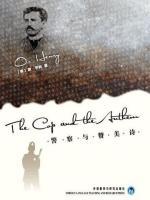
Thoughts on The Cop and the Anthem
After reading O. Henry’s classic short story The Cop and the Anthem, I am deeply impressed by its profound irony and unexpected ending, which makes me reflect deeply on the fate of the underprivileged and the absurdity of society.
The story centers on Soapy, a homeless tramp wandering on the streets of New York. As the cold winter approaches, he has no warm place to stay and no food to eat. Desperate to survive the harsh winter, he comes up with a ridiculous idea: deliberately commit minor crimes to get arrested and sent to prison, where he can have food and shelter. Soapy tries every means he can think of—he eats in a restaurant without paying, breaks the window of a store, pretends to be a drunkard, and steals a man’s umbrella. However, all his attempts end in failure. The police turn a blind eye to his mischief, and he is never arrested as he wishes.
Just when Soapy is completely disappointed and gives up his silly plan, he passes by a small church. The beautiful hymn coming from the church touches his heart deeply. He is suddenly awakened and makes up his mind to turn over a new leaf. He decides to get rid of his lazy and degenerate life, find a decent job, and live a meaningful life. At this moment, he is full of hope for the future and is eager to start a new life. But the dramatic and ironic thing is that just as he is determined to reform, a policeman suddenly comes and arrests him for no reason, and he is finally sent to prison, the place he once tried so hard to get into but failed.
This ending is a typical O. Henry-style twist, which is unexpected but reasonable. It fully reveals the cruelty and injustice of the capitalist society at that time. Soapy’s experience is extremely ironic: when he deliberately breaks the law and wants to be imprisoned, the law ignores him; when he repents and wants to be a good person, the law punishes him severely. This sharp contrast satirizes the distorted social order and the indifference of the people around him. It also shows that for the bottom-level poor like Soapy, it is extremely difficult to change their fate and get rid of their miserable situation. They are trapped in the quagmire of life and cannot break free no matter how hard they try.
Moreover, the story also explores the theme of human redemption and the blow of reality. The hymn symbolizes spiritual salvation and the goodness of human nature, which awakens Soapy’s conscience and his desire for a better life. However, this precious spiritual awakening is instantly shattered by the ruthless reality. This makes us feel sorry for Soapy’s tragic fate and also makes us think about the indifference and cruelty of the society. A society that cannot tolerate the repentance of the poor and give them a chance to start over is undoubtedly a failed society.
In general, The Cop and the Anthem is not only a vivid and interesting short story but also a sharp satire of society. Through the ups and downs of Soapy’s fate, O. Henry uses humorous and ironic language to reveal the sufferings of the bottom-level people and the darkness of society. This story still has strong practical significance today. It reminds us to care about the disadvantaged groups in society and think about how to build a more just and warm society. It also tells us that everyone deserves a chance to redeem themselves, and no one should be easily denied and punished by the world.

 京公网安备 11010802032529号