

Book review
用户868509
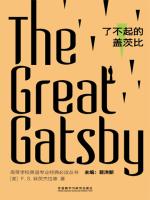
F. Scott Fitzgerald’s The Great Gatsby stands as a timeless
masterpiece, vividly capturing the extravagant yet hollow essence of the
Jazz Age in the 1920s. Set against the backdrop of post-war prosperity,
the novel paints a dazzling portrait of an era intoxicated by wealth,
jazz, and endless parties. At the center of this glittering illusion is
Jay Gatsby, a self-made millionaire whose opulent mansion and
extravagant weekend gatherings serve as a beacon of the American Dream.
However, beneath the dazzling surface of champagne and neon lights lies
a profound spiritual emptiness. Fitzgerald masterfully uses this
opulence not to celebrate the era, but to critique its moral decay. The
endless stream of partygoers who flock to Gatsby’s estate without
knowing him symbolizes the superficiality and narcissism of the upper
class. They are drawn to the spectacle of wealth, yet remain entirely
disconnected from the human soul behind it. Gatsby’s relentless pursuit
of Daisy, who ultimately represents the unattainable and corrupted
American Dream, highlights the tragic illusion of this era. The green
light at the end of Daisy’s dock glimmers with the promise of a
prosperous future, yet it remains forever out of reach. When Gatsby’s
dream shatters, the glittering facade of the Jazz Age collapses with it.
Fitzgerald’s brilliant prose exposes the harsh reality that material
success cannot buy genuine happiness or true social belonging.
Ultimately, The Great Gatsby is a poignant elegy for the Jazz Age,
reminding us that beneath the dazzling illusion of wealth, the American
Dream was merely a fragile, fading mirage.

 京公网安备 11010802032529号