

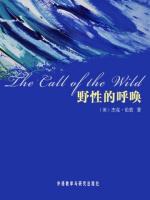
The Call of the Wild
用户863065
Written by Jack London, The Call of the Wild is a timeless American
literary classic first published in 1903. Far more than a simple
wilderness adventure novel, it is a profound naturalistic story that
explores the conflicts between civilization and wilderness, the power of
primitive instincts, and the true meaning of survival. Through the
extraordinary journey of a dog named Buck, London presents a sincere and
stirring reflection on life and nature, making the book worthy of
endless appreciation and thinking. The story centers on Buck, a gentle
and domesticated crossbreed dog living a comfortable and leisurely life
on a California estate. However, his peaceful life is completely
destroyed during the Klondike Gold Rush. Stolen and sold by greedy men,
Buck is sent to the frigid and brutal Yukon wilderness to work as a sled
dog. In the harsh and cruel natural environment, he witnesses cruelty,
betrayal, and violence everywhere. He endures hunger, cold, exhausting
labor, and fierce fights with other dogs. Gradually, the tame traits
cultivated by human civilization fade away, while his long-dormant
primitive wolf instincts awaken little by little. He learns to adapt to
the law of the jungle, overcomes countless hardships, defeats rivals,
and eventually grows into a strong, brave, and wise leader of the pack.
After experiencing different masters and gaining deep affection for his
final owner John Thornton, Buck finally answers the mysterious and
ancient call of the wild, returning to the forest and becoming a true
wild wolf. The most impressive part of the novel is Buck’s stunning
spiritual and physical transformation. At the beginning, Buck is loyal,
dignified, and accustomed to the warmth and rules of human civilization.
He believes in kindness and order. But the cruel wilderness reality
teaches him that only strength and alertness can guarantee survival.
Jack London vividly shows readers the process of instinct awakening.
Buck does not merely survive passively; he grows actively. He learns to
scavenge for food to resist hunger, masters the skills of traveling in
snow and ice, and accumulates wisdom to survive in the wild. Even so,
Buck never loses his precious humanity. His sincere loyalty and deep
gratitude to Thornton prove that love and conscience can still shine
brightly in the brutal wild world, forming a touching contrast with the
cold jungle law of “the survival of the fittest”. In addition to the
wonderful character growth, the novel contains profound themes. Firstly,
it reveals the irresistible power of nature and primitive instincts.
London implies that every living creature hides wild and primitive
instincts deep in their souls. Civilization is just acquired
cultivation, while the yearning for nature and freedom is the most
original root of life. Secondly, the book exposes human greed and
selfishness. Driven by the desire for gold, many people recklessly
exploit animals and trample on life, which reflects the blindness and
vulgarity of human desire in the material rush. Meanwhile, the novel
also conveys the philosophy of survival: hardship does not destroy life,
but tempers life and makes it stronger. Jack London’s writing style is
simple, powerful and vivid. His detailed descriptions of the icy Yukon
wilderness, the brutal struggles between animals, and Buck’s inner
changes bring readers an immersive reading experience. The whole story
is compact in plot and full of tension, combining exciting adventure
scenes with profound life philosophy perfectly. In conclusion, The
Call of the Wild is not only an excellent animal adventure story, but
also a profound work about life, freedom and nature. Buck’s journey from
a domesticated pet to a wild ruler inspires every reader. It reminds us
that we should keep the toughness to face hardships in life, retain
kindness and loyalty in complicated environments, and never forget the
most genuine power hidden in life. This timeless classic is definitely
worth reading and pondering for people of all ages.

 京公网安备 11010802032529号