

Keywords
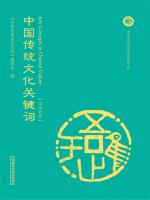
"Keywords of Chinese Traditional Culture" is an insightful and comprehensive guide to the foundational concepts that have shaped Chinese civilization for millennia. This book is an invaluable resource for anyone seeking to understand the rich tapestry of Chinese heritage, philosophy, and social values.
Overview: The book is structured around key terms that are essential to grasping the essence of Chinese traditional culture. Each keyword is meticulously explored, providing historical context, philosophical underpinnings, and cultural significance. The authors have done an impressive job in curating a selection of terms that represent the core of Chinese thought and societal norms.
Content and Themes: One of the strengths of this book is its breadth and depth. It covers a wide array of concepts ranging from Confucianism and Daoism to more specific ideas like "Ren" (仁, benevolence), "Li" (礼, ritual propriety), and "Yi" (义, righteousness). Each entry is well-researched and presented in a way that is accessible to both scholars and general readers.
The book also delves into the influence of these concepts on various aspects of Chinese life, including politics, art, literature, and daily practices. For instance, the discussion on "He" (和, harmony) not only addresses its philosophical roots but also its practical application in conflict resolution and community building.
Analysis: What sets "Keywords of Chinese Traditional Culture" apart is its ability to make complex ideas understandable without oversimplifying them. The authors provide clear explanations and use examples from historical texts and contemporary practices to illustrate their points. This approach helps readers see the continuity and evolution of these concepts over time.
Moreover, the book underscores the relevance of traditional Chinese values in today's world. In an era of globalization and cultural exchange, understanding these keywords can foster better cross-cultural communication and appreciation. It highlights how ancient wisdom can offer solutions to modern challenges, such as environmental sustainability and social harmony.
Critique: While the book is thorough, some readers might find the sheer volume of information overwhelming. A more structured approach, perhaps grouping related keywords into thematic sections, could enhance the reading experience. Additionally, providing more comparative analysis with other cultures' concepts might help readers better contextualize and relate to the material.
Conclusion: "Keywords of Chinese Traditional Culture" is a scholarly yet accessible work that offers deep insights into the philosophical and cultural bedrock of China. It is a must-read for anyone interested in Chinese culture, history, and philosophy. By exploring these keywords, readers gain a profound understanding of what has sustained and guided one of the world’s oldest civilizations through centuries of change and development.
This book not only educates but also inspires, inviting readers to reflect on the universal values that connect us all.


 京公网安备 11010802032529号